Significance of Sankranti and Kanuma Day
Makara Sankranti is one of the most important Hindu festivals, marking the transition of the Sun into Capricorn (Makara Rashi). It signifies the harvest season and is celebrated across India with different traditions. In Andhra Pradesh, it is a multi-day festival, with Kanuma Day being the third day. Kanuma is dedicated to cattle and agricultural prosperity, with farmers expressing gratitude to their livestock and nature for a bountiful harvest.
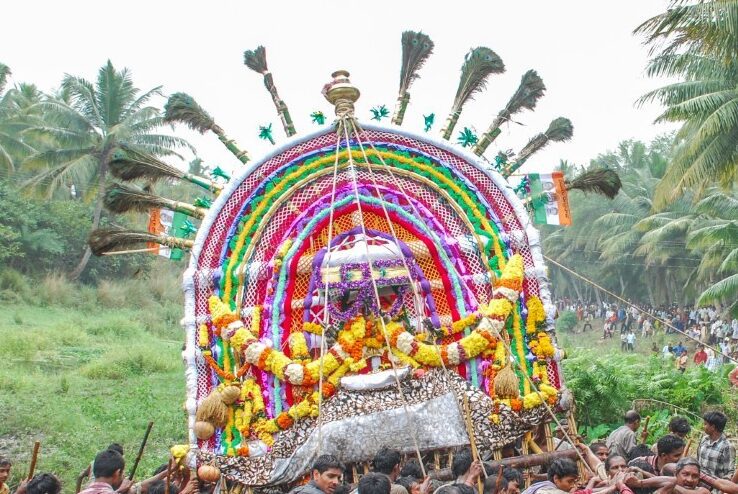
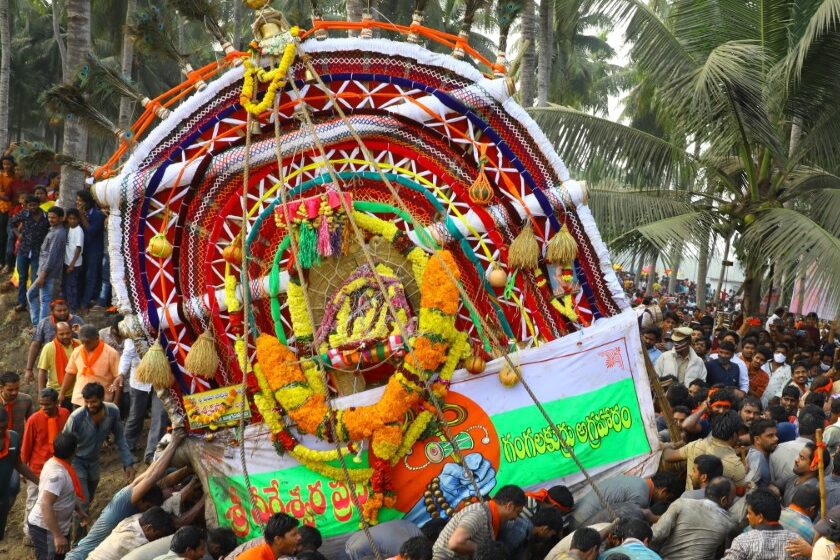
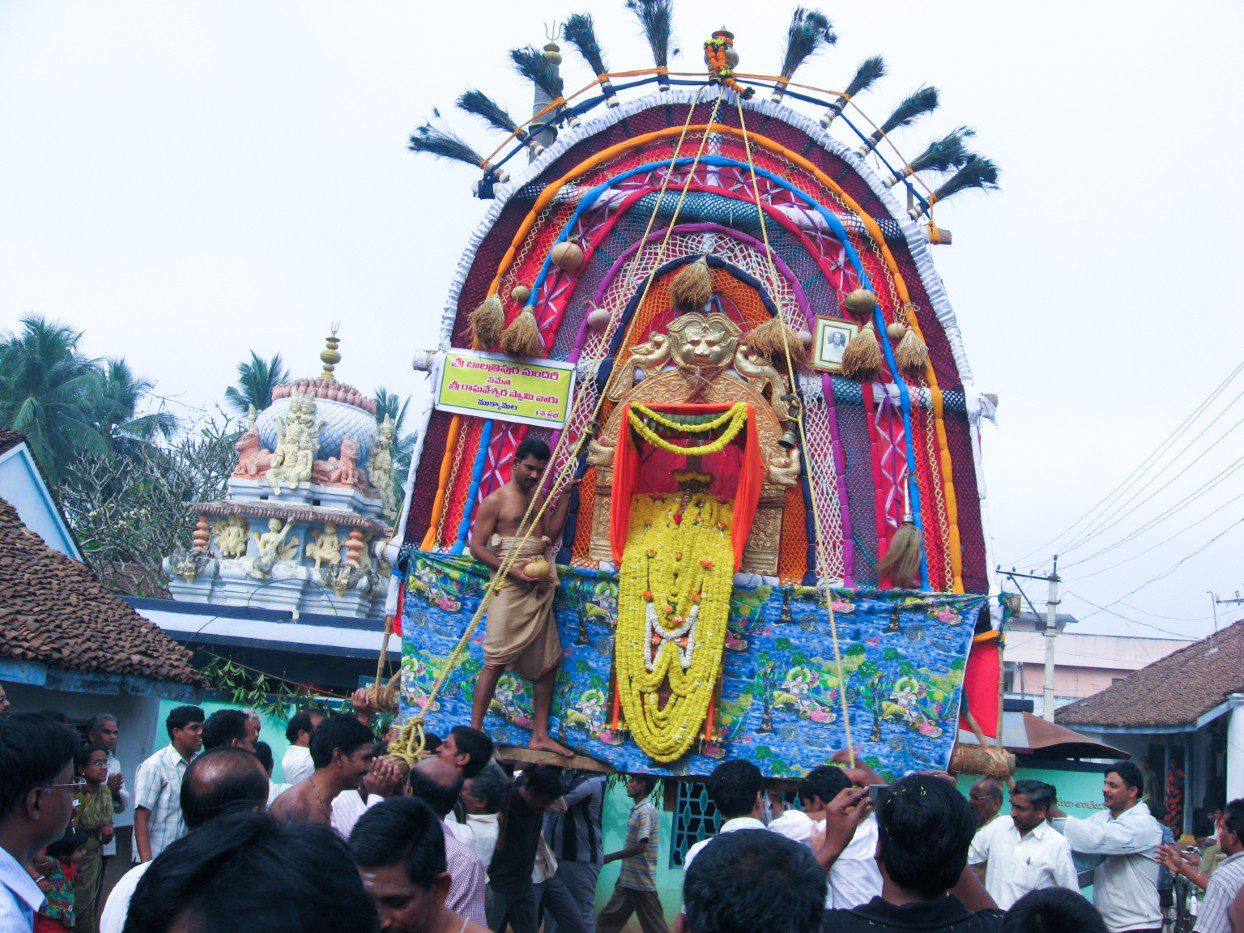
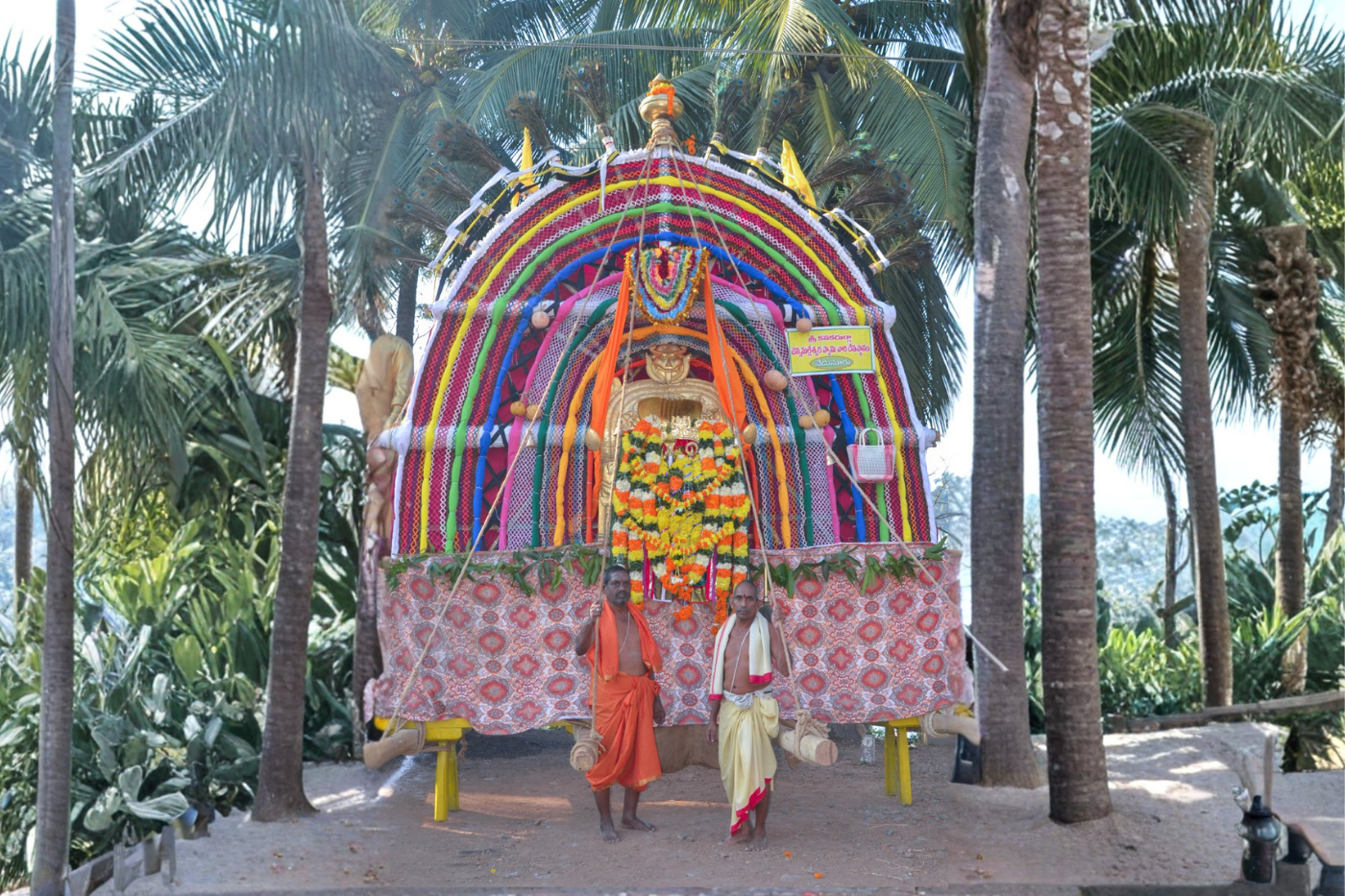
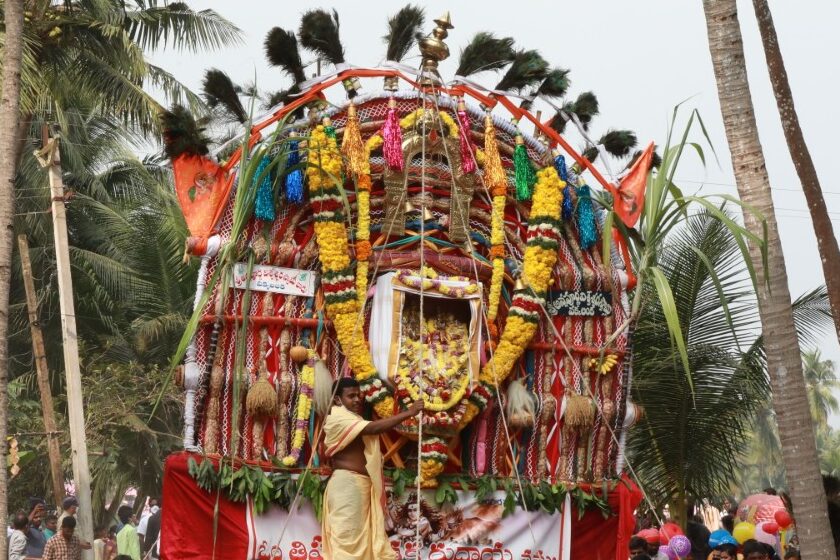
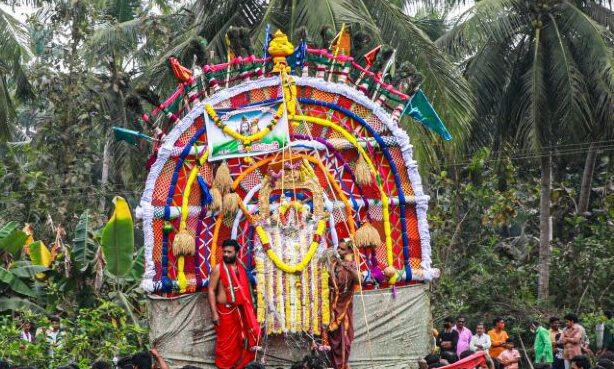
Prabhala Theertham – simply means a Theertham (festival/fair as it is known in the Godavari delta of Andhra Pradesh) of Prabhas (tall totems or large structures made of bamboo in an inverted ‘U’ shape).
The Legend of Jaggannathota
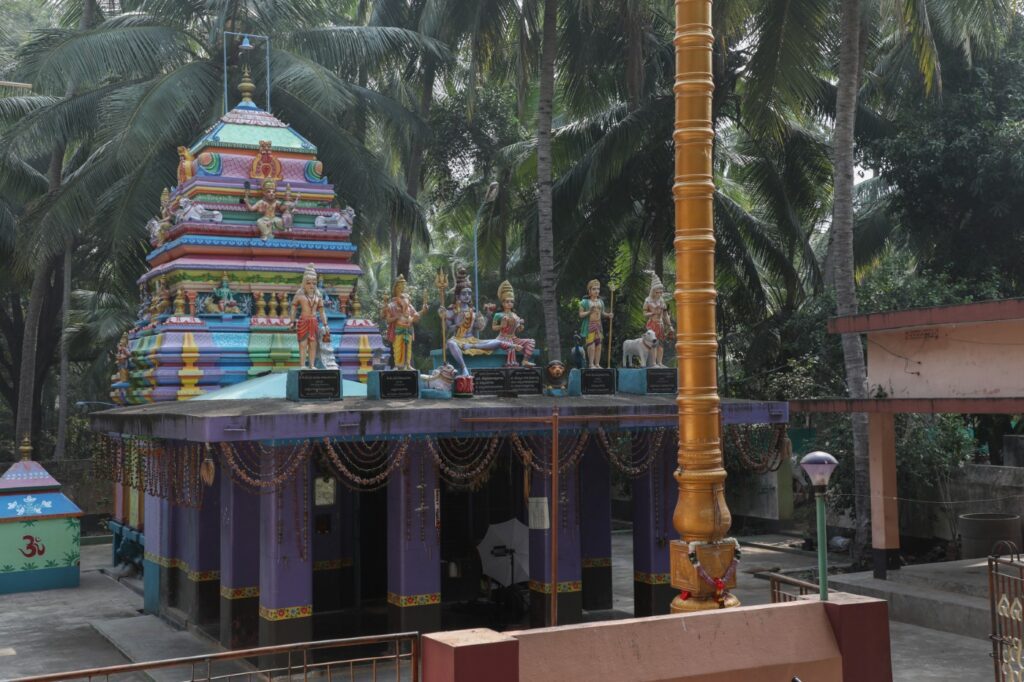
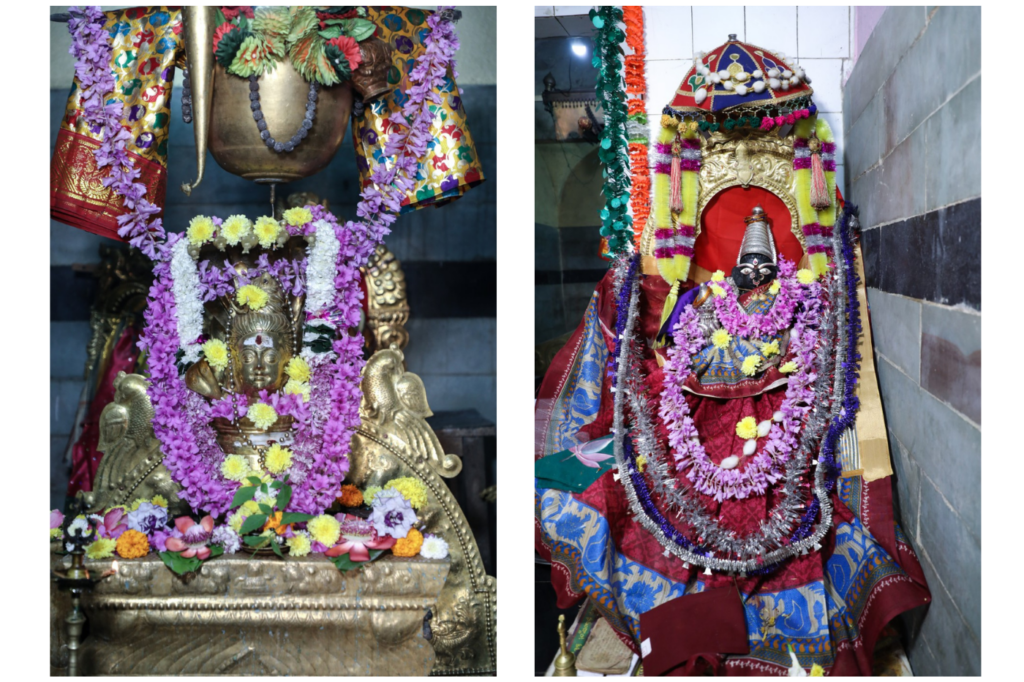
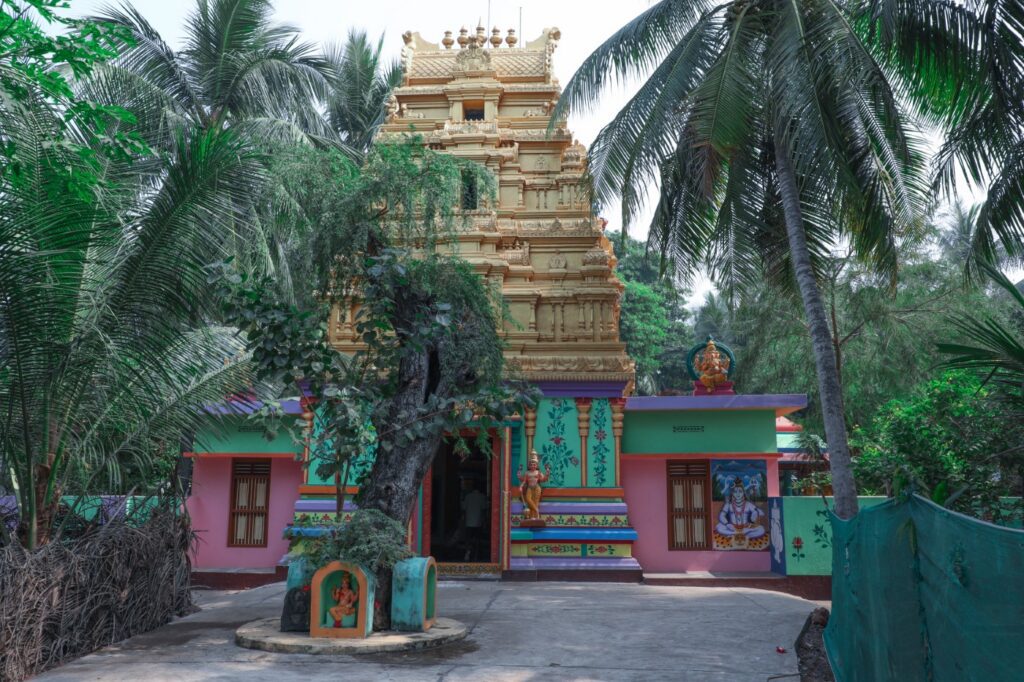
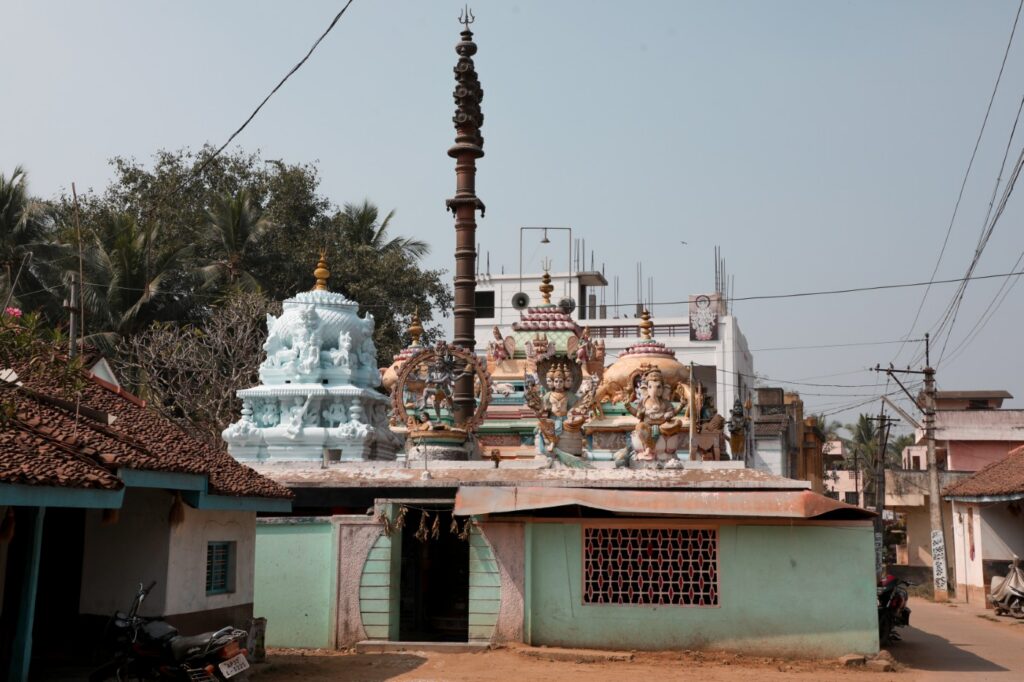
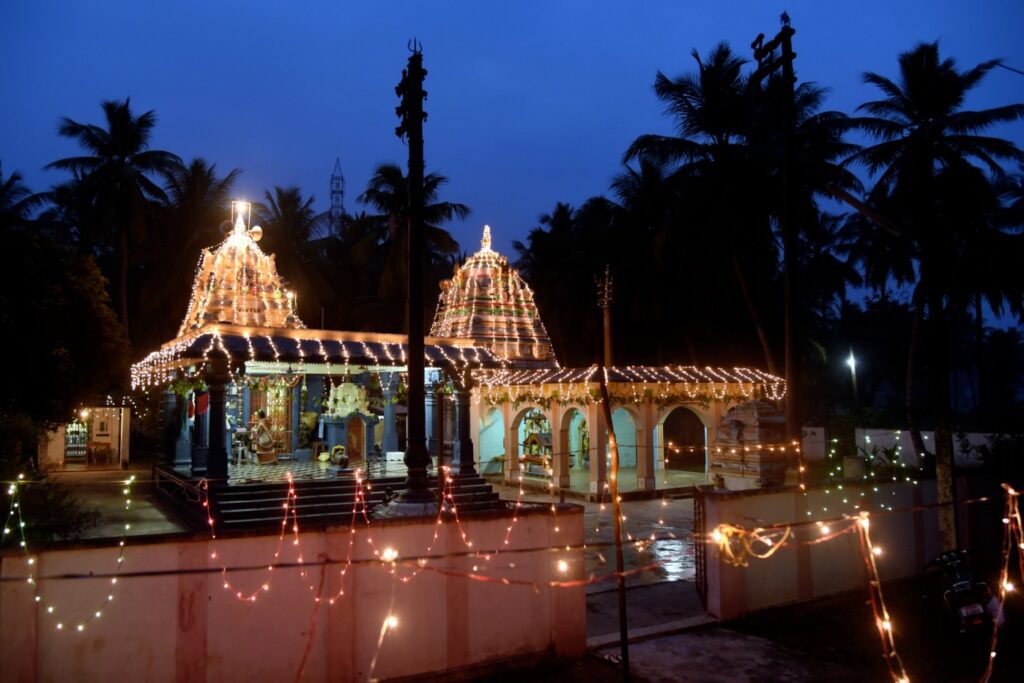
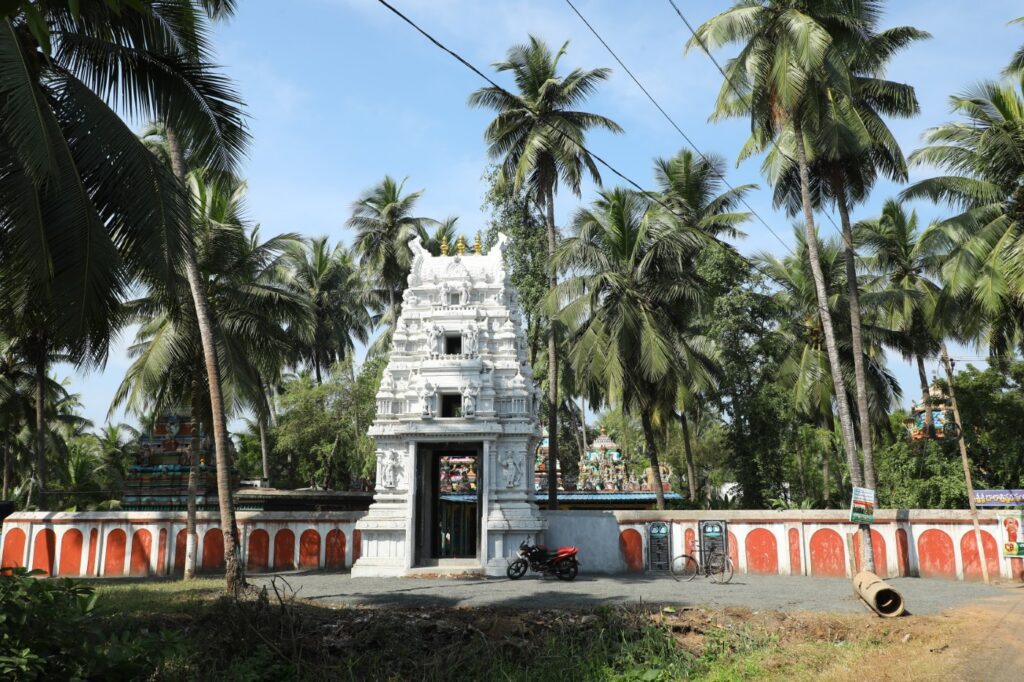
In the 17th century, on the auspicious day of Kanuma, the Ekadasa Rudras (11 forms of Lord Shiva) are believed to have gathered at Jaggannathota for the well-being of the world. They deliberated on the joys and sorrows of humanity and bestowed their divine blessings for universal happiness and prosperity. Since then, the people from eleven surrounding villages have continued the tradition of celebrating the Prabha festival at Jaggannathota every year on Kanuma Day.
Long ago, Sri Vatsavayi Jagannatha Maharaja (Jagganna), the royal heir of Peddapuram, graced the festival with his presence. Overwhelmed by the devotion and grandeur of the event, he offered prayers to the Ekadasa Rudras and played a pivotal role in enhancing the festival’s magnificence. His contributions were so profound that the location was named Jaggannathota in his honor.
Thota means “farm” in Telugu, so Jaggannathota literally refers to Jagganna’s farm.
Origins of Prabha
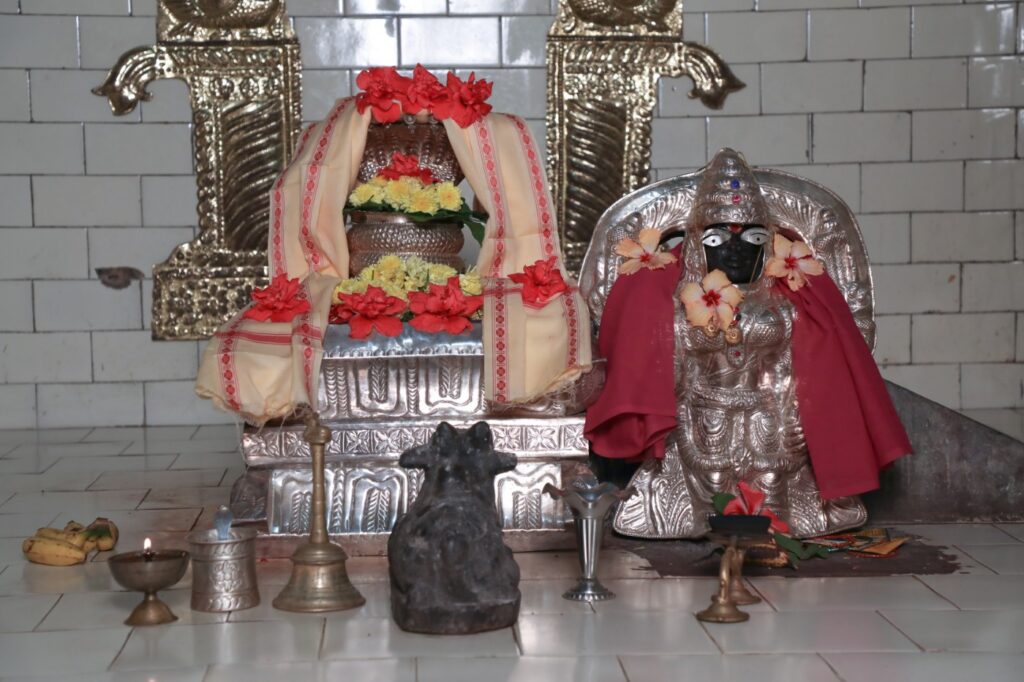
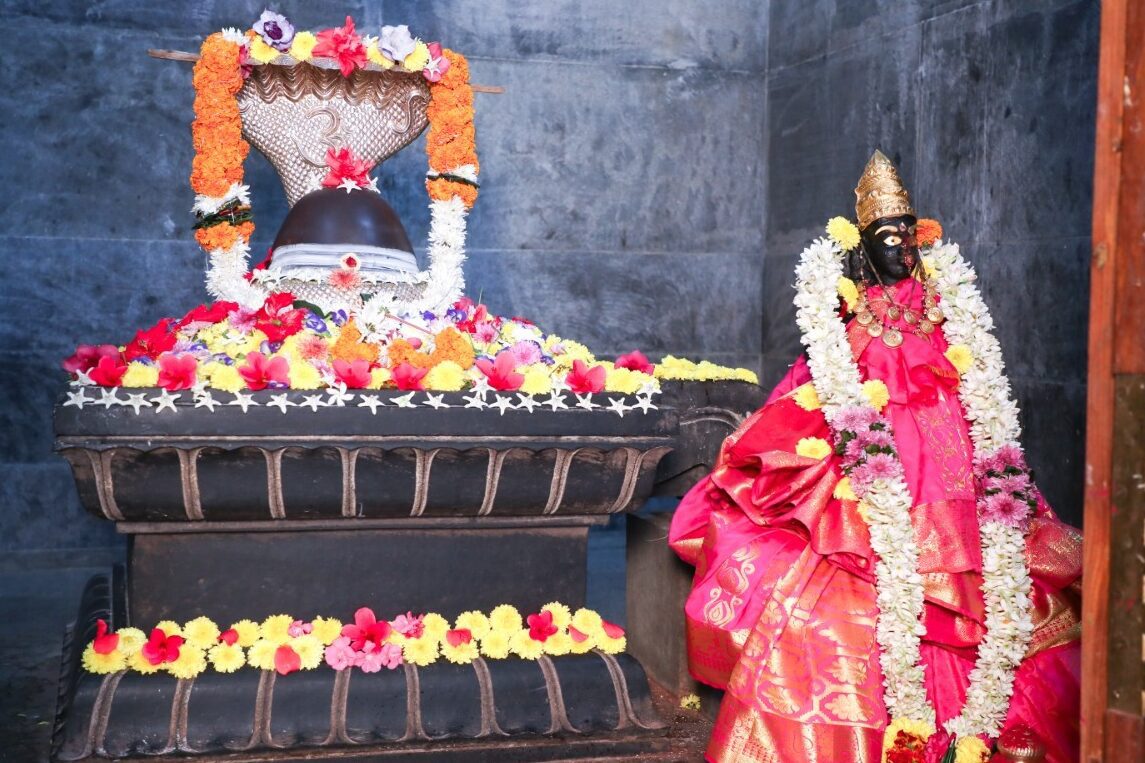
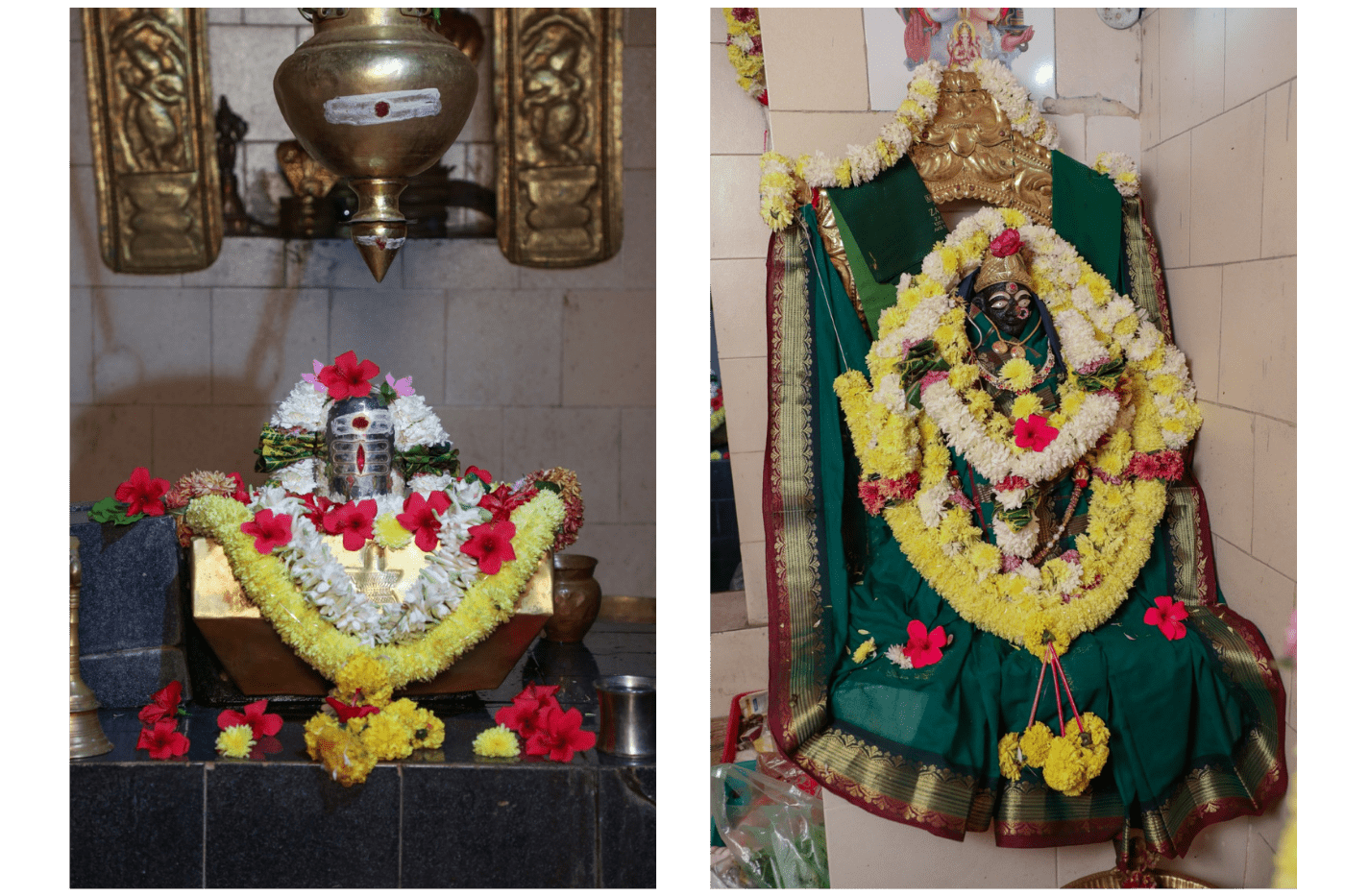
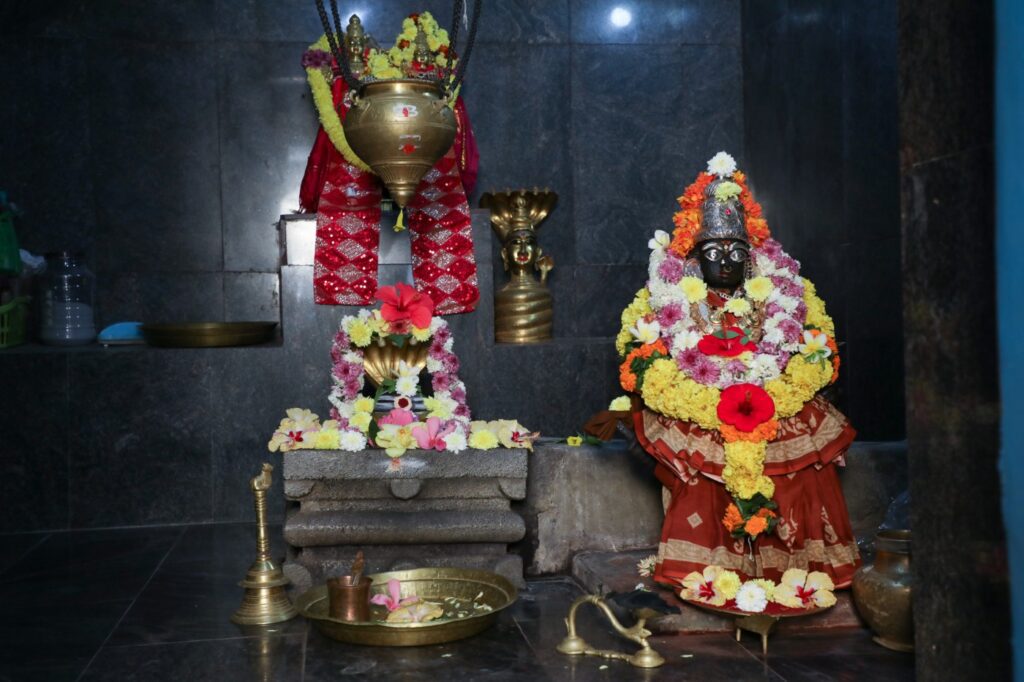
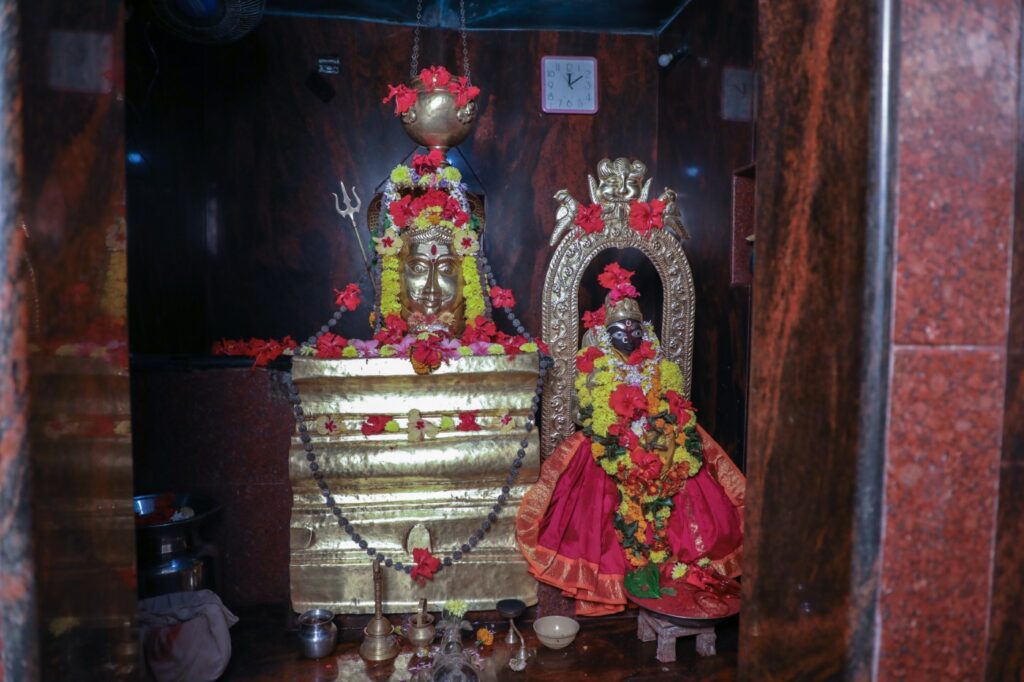
When goddess Sati sacrificed her body in yogagni, enraged by the insult caused to her husband. Lord Shiva, heart broken by the news struck a lock of his matted hair upon the ground, from which emerged Veerabhadra, radiant with the brilliance of a crore suns. Who then beheaded Daskha for his ghastly sin, proceeded to destory Daskshayagna (Daksha’s yagna or sacrifice) and teach the world a lesson. Prabhala theertham is a reverence to that rudra swaroopa of Lord Shiva, asking him to bless us with wealth & welfare. Since then Prabha(s) are built to signify that divine light, and idols of Lord Rudra with his consort are seated atop these prabha(s).
Ekadasa Rudra Kshetras
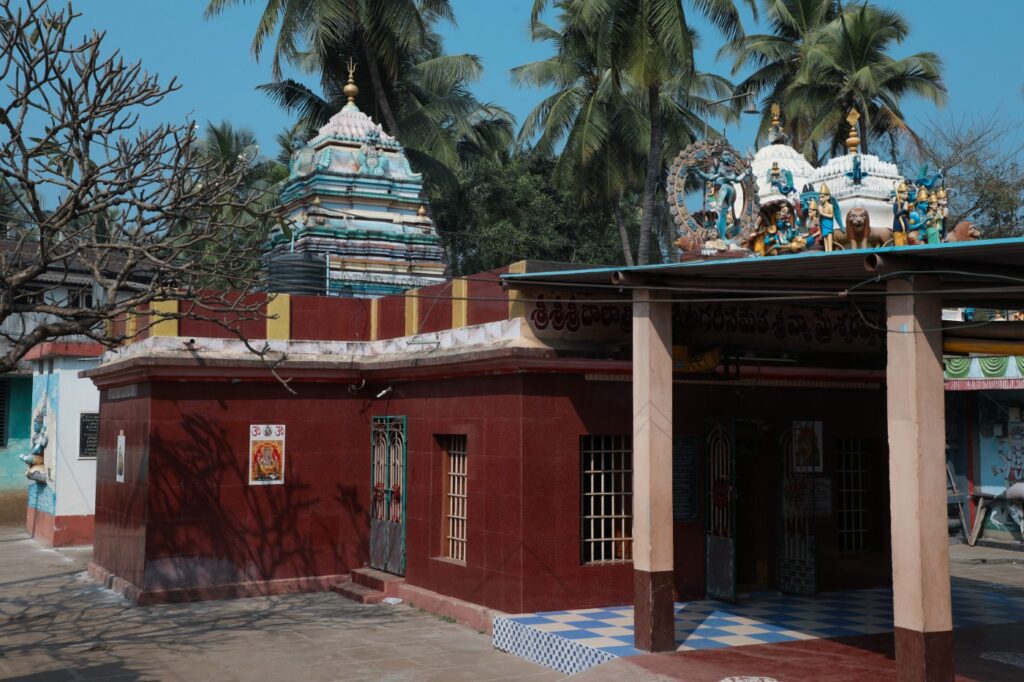
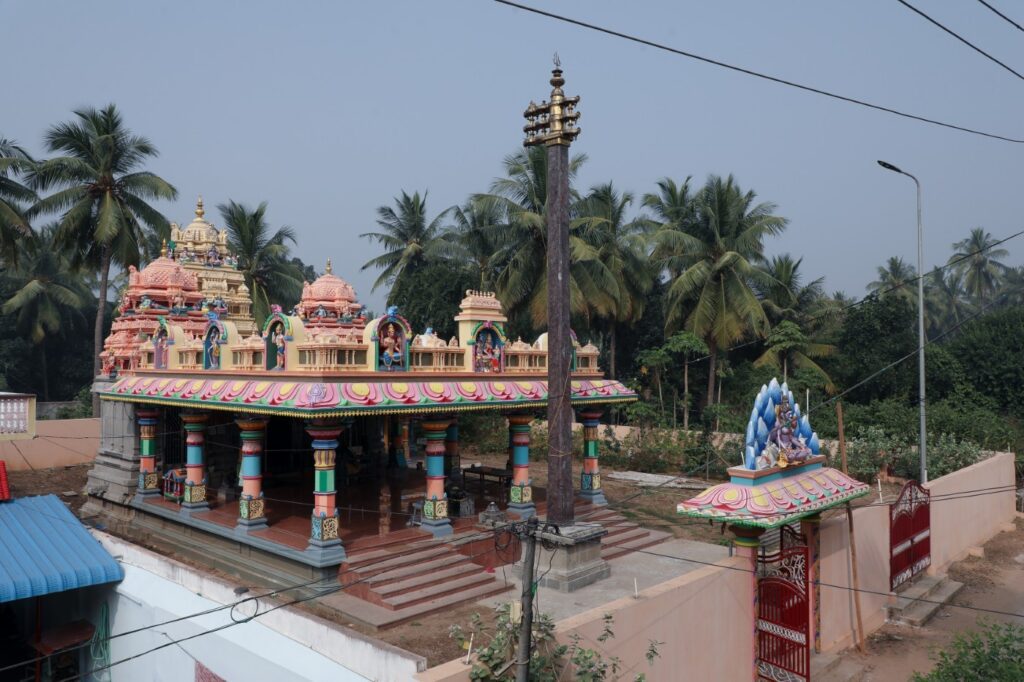
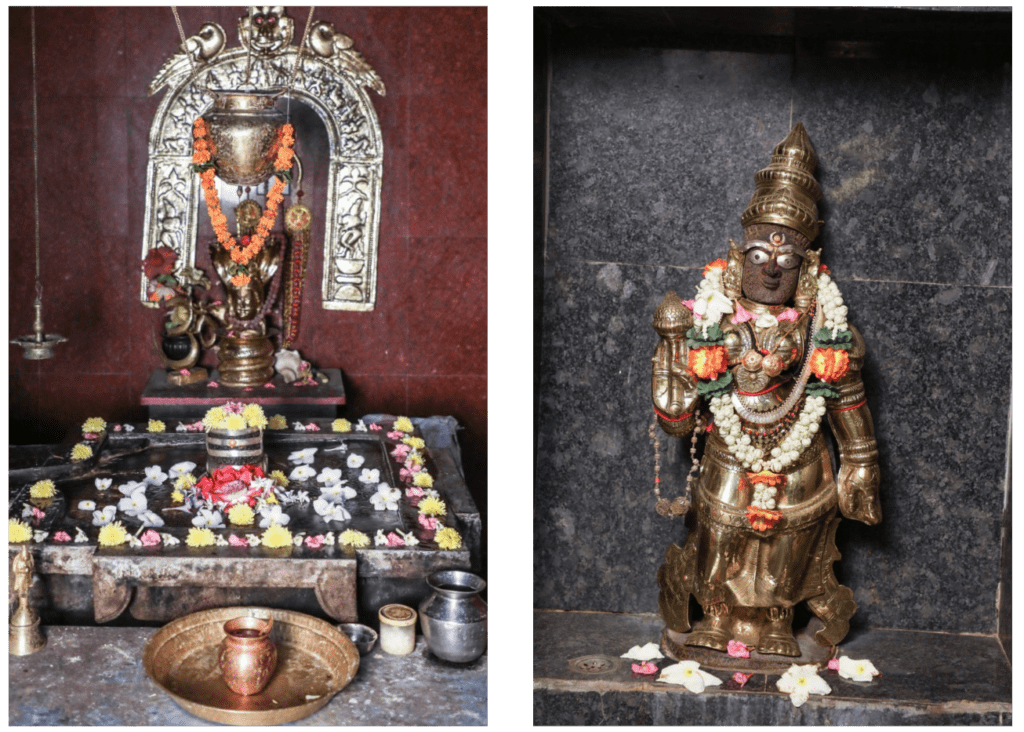
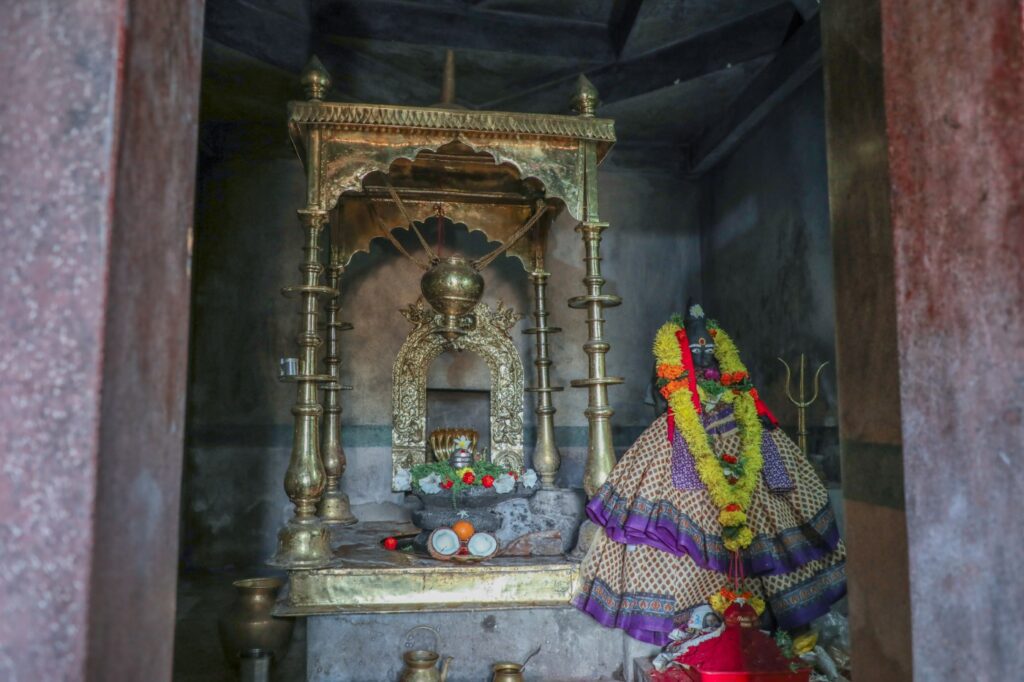
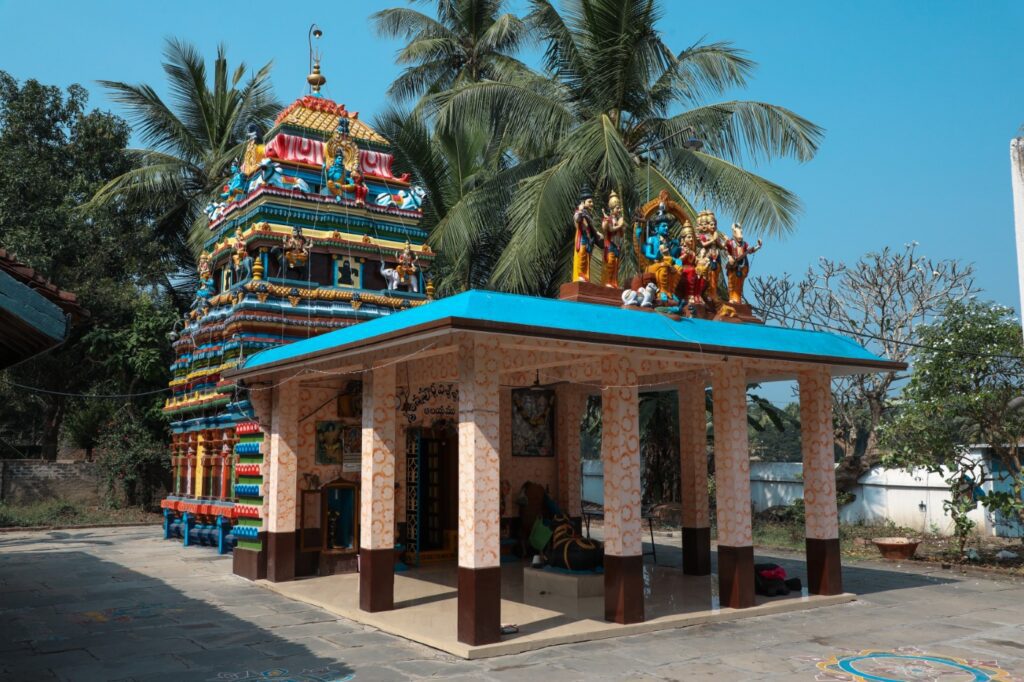
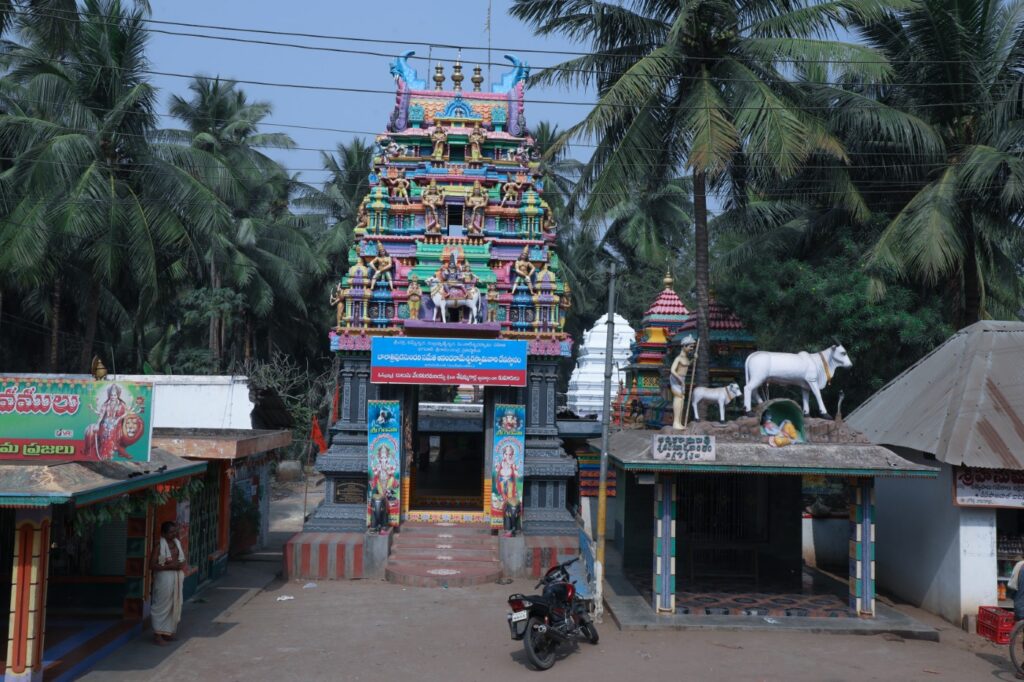
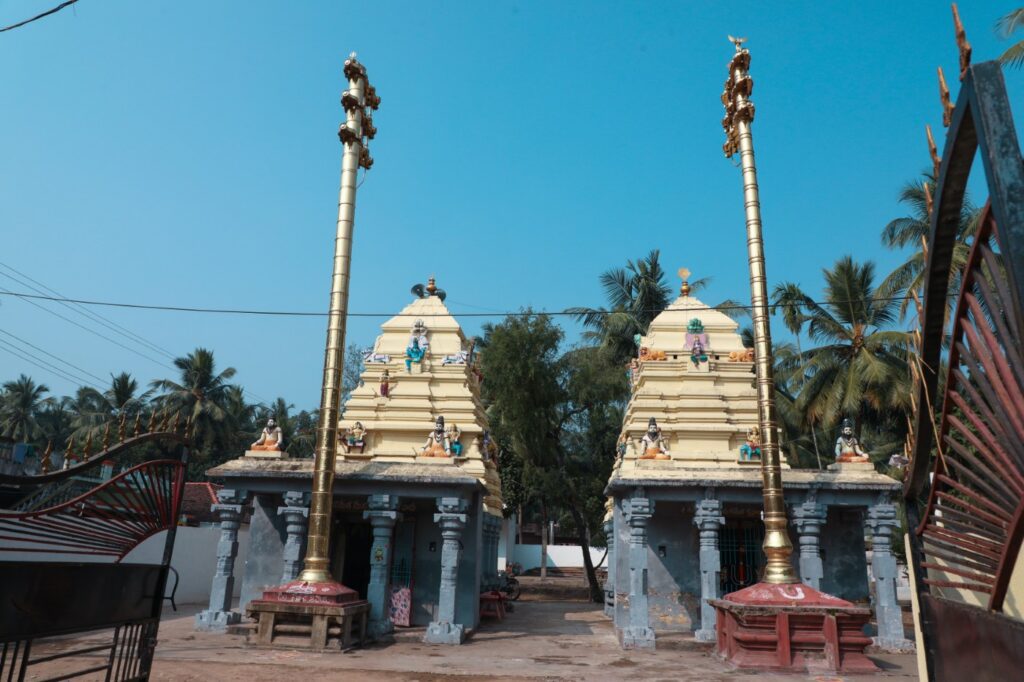
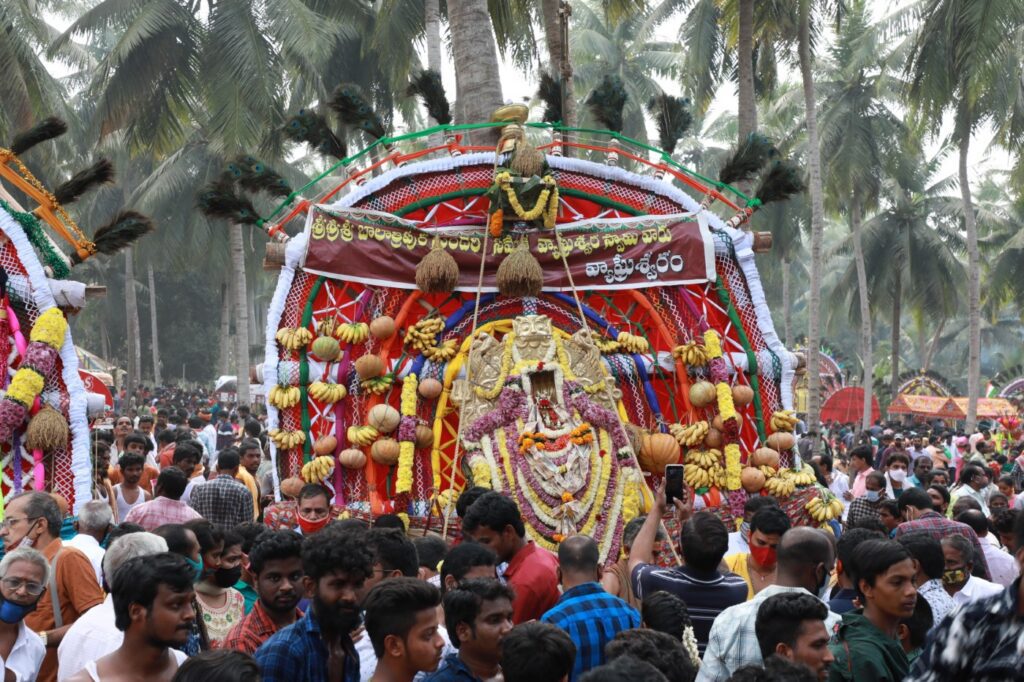
These beautifully adorned Prabhas carried in procession from the eleven villages shine with this same heavenly glow, earning their deities the revered title of Ekadasa Rudras – the eleven forms of Lord Shiva who gather at Jaggannathota for world peace and prosperity.
| # | Diety | Village |
|---|---|---|
| 1 | Sri Vyaghreswara Swamy Visweswara Rudra | Vyagreswaram |
| 2 | Sri Menakeswara Swamy Mahadeva Rudra | K. Pedapudi |
| 3 | Sri Ananda Rameswara Swamy Triyambaka Rudra | Irusumanda |
| 4 | Sri Visweswara Swamy Tripurantaka Rudra | Vakkalanka |
| 5 | Sri Chenna Malleswara Swamy Trikagnikala Rudra | Nedunuru |
| 6 | Sri Raghaveswara Swamy Kalagni Rudra | Mukkamala |
| 7 | Sri Bhogeswara Swamy Neelakantha Rudra | Mosalapalli |
| 8 | Sri Chenna Malleswara Swamy Mrityumjaya Rudra | Palagummi |
| 9 | Sri Veereswara Swamy Sarveswara Rudra | Gangalakurru Agraharam |
| 10 | Sri Chenna Malleswara Swamy Sadasiva Rudra | Gangalakurru |
| 11 | Sri Abhinava Vyaghreswara Swamy Srimanmahadeva Rudra | Pulletikurru |
The Grand Procession of Prabhas
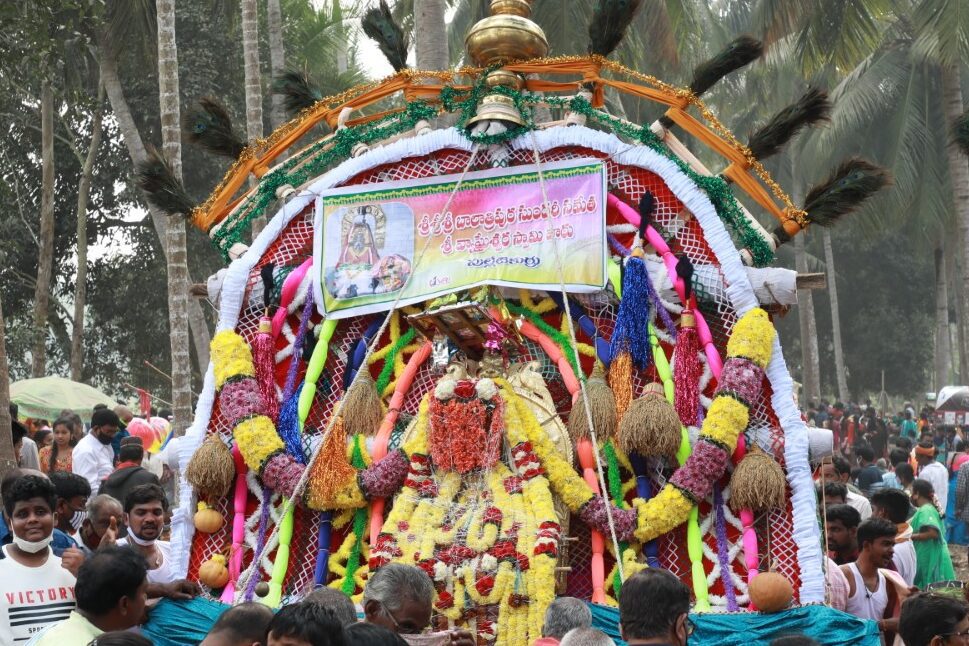
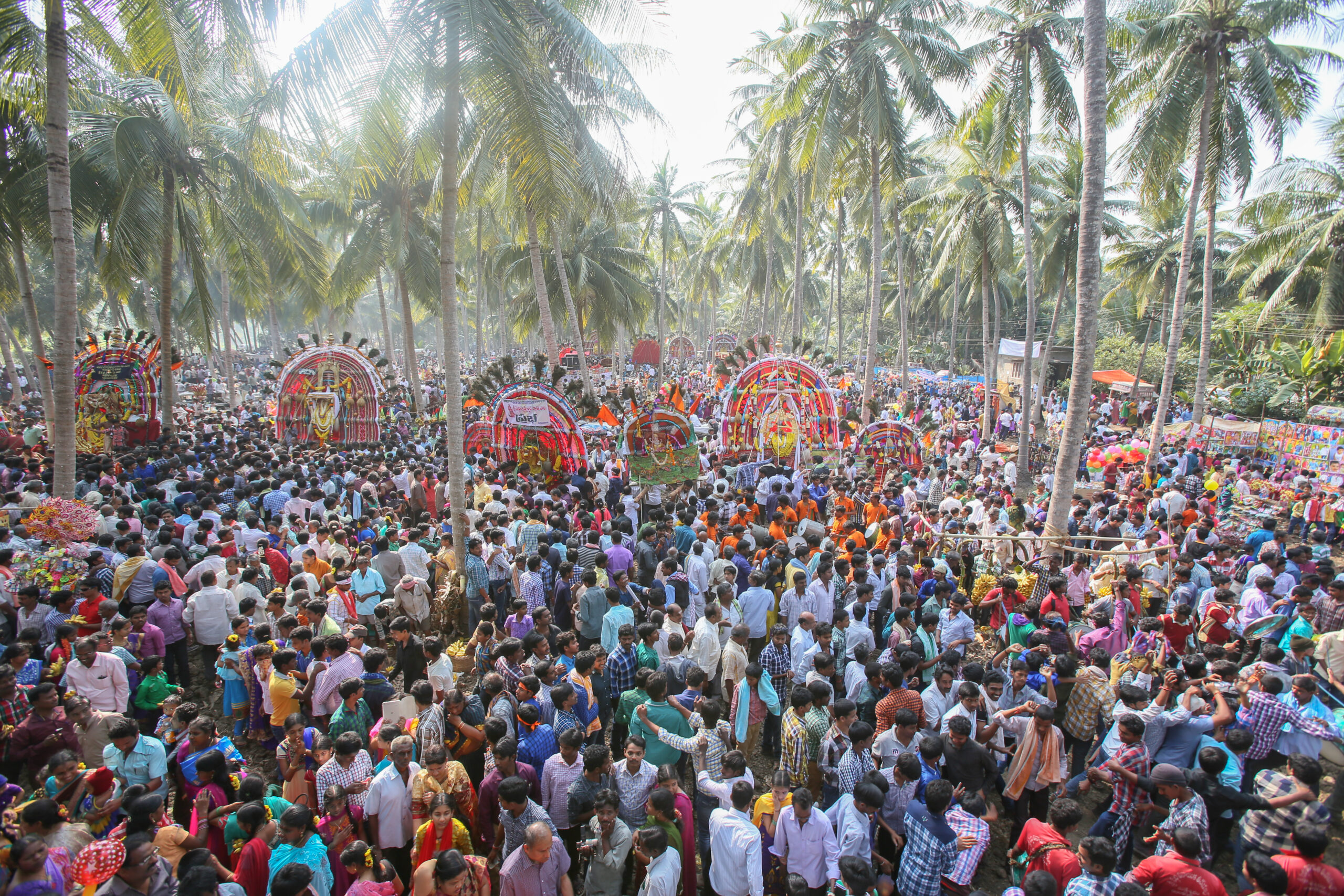
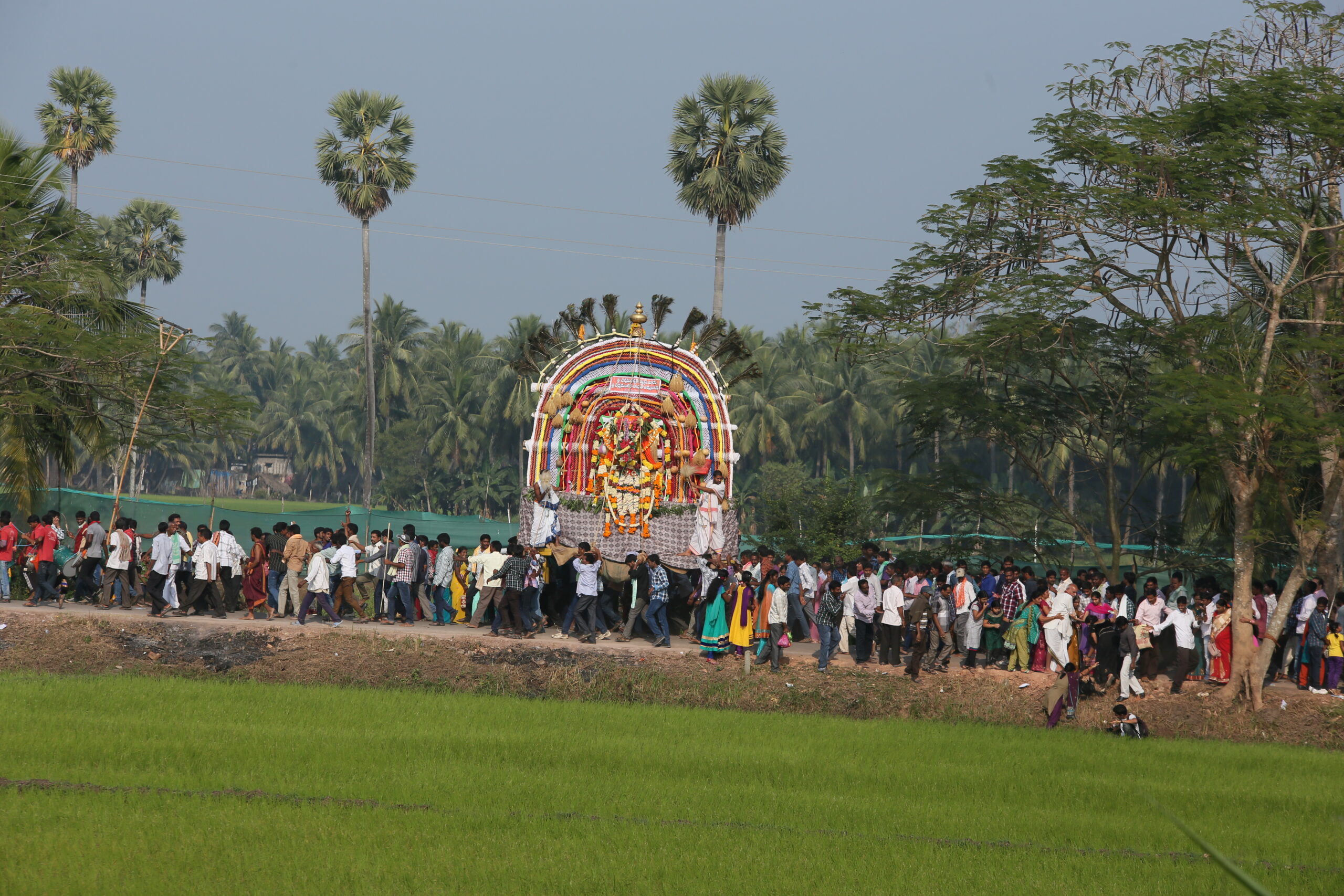
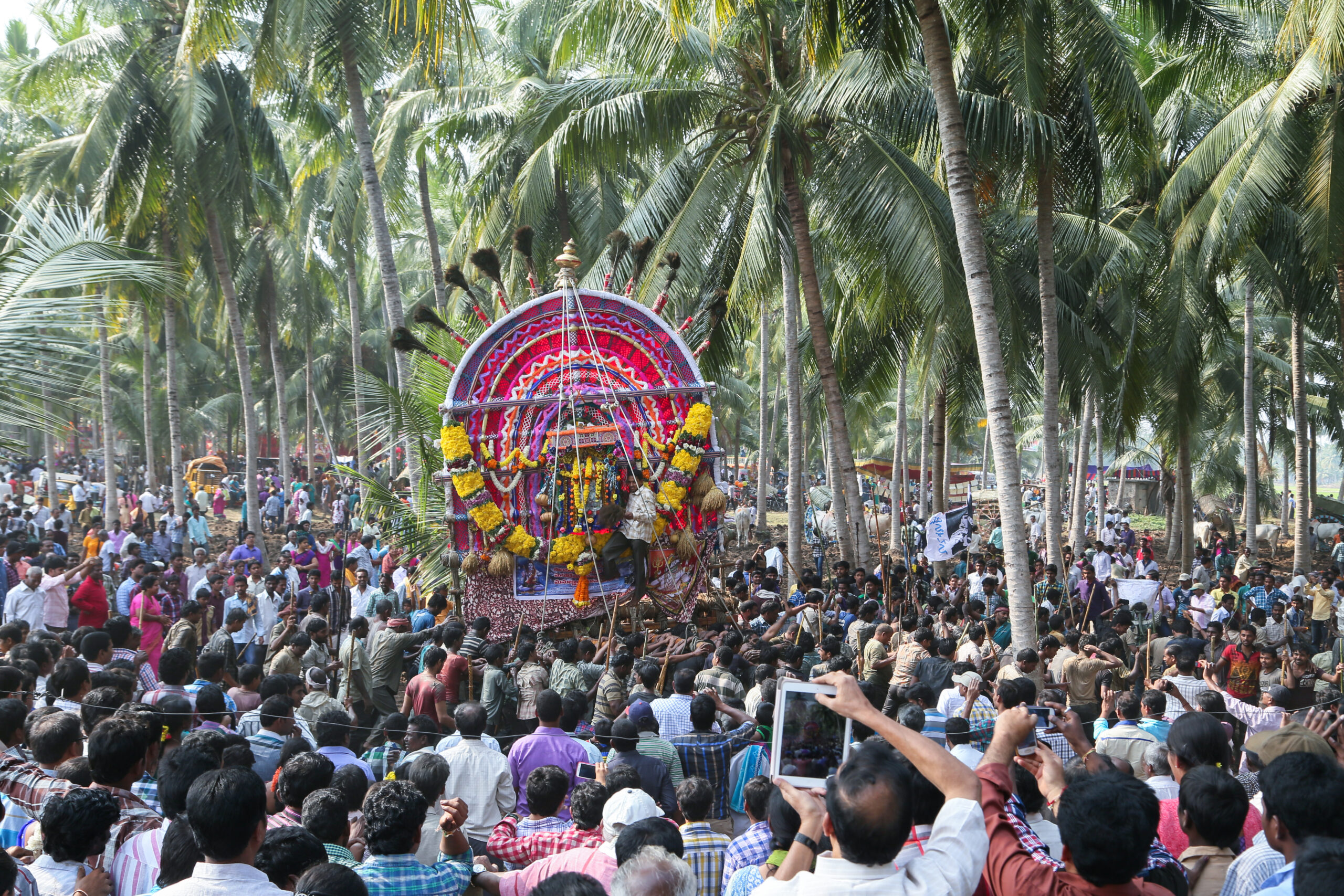
On Kanuma Day, beautifully adorned Prabhas (towering totems) from eleven villages are carried in a grand procession to Jaggannathota. These towering structures, embellished with colourful papers, flowers, vibrant fabrics, and accompanied by classical music, symbolize the divine presence of the Ekadasa Rudras. Among them, the chief Prabha of Vyaghreswaram (Sri Vyaghreswara Swamy) leads the procession, commanding the highest reverence from devotees. The final Prabha from Gangalakurru Agraharam (Sri Veereswara Swamy) marks the concluding moment of the grand spectacle.
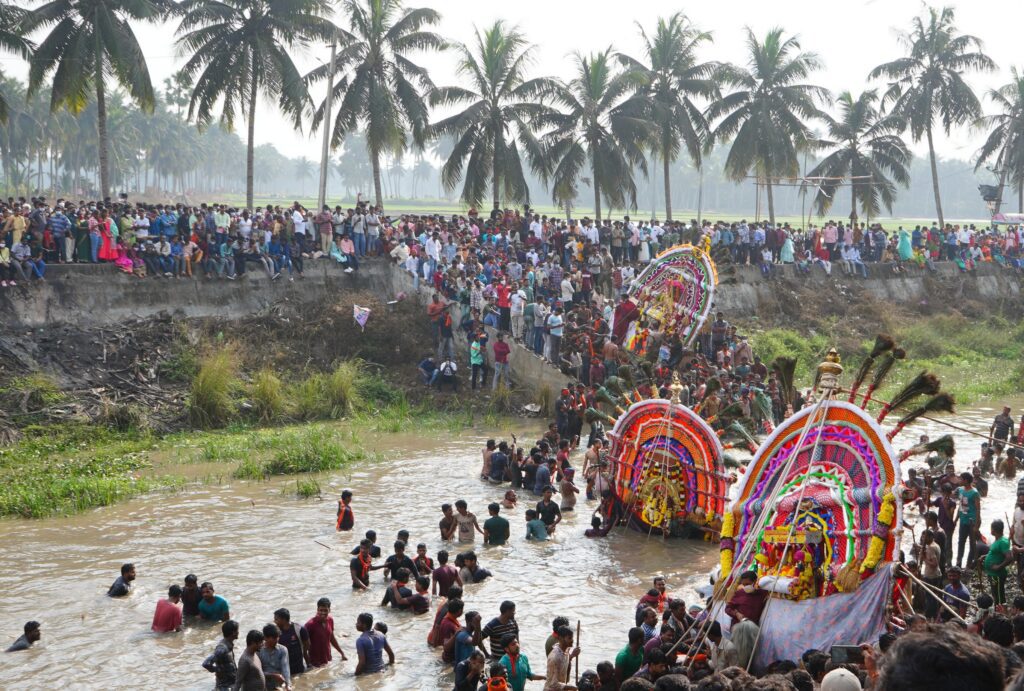
One of the most awaited and breathtaking moments of the festival is the arrival of the Prabha from Gangalakurru Agraharam, which must cross the Kowsika River before reaching Jaggannathota. Thousands of devotees gather on the riverbanks, eagerly watching this sacred moment. The sight of the Prabha crossing the river fills people with immense joy, it is an unforgettable experience.
As the Prabhas make their way through the paddy fields, crops are inevitably trampled. However, the landowners do not lament these losses. Instead, they rejoice, believing that having the Sri Ekadasa Rudras pass through their fields is a divine blessing. They see it as a fortune that brings prosperity and happiness to their families.
A Festival That Transcends Boundaries
The Jaggannathota Prabha Festival draws devotees from all over Andhra Pradesh and beyond. Even those who have settled in other states and countries return every year to witness and partake in this grand celebration. Many overseas devotees plan their yearly visits to coincide with the festival. The festival attracts lakhs of people, making Jaggannathota a center of devotion, tradition, and cultural heritage every Kanuma Day.
Key Moments of the festival
- The 11 Prabhas start their journey from the respective villages.
- Each Prabha is decorated with flowers, colored fabrics, and traditional ornaments.
- The Prabhas from Gangalakurru Agraharam & Gangalakurru cross the Kowsika River, an awe-inspiring spectacle.
Prabhala Theertham is not just a festival—it is a spiritual legacy that unites communities, strengthens traditions, and spreads divine grace.